5 Foods to Avoid for a Sensitive Stomach (Complete Guide)
Foods to avoid for a sensitive stomach include common trigger foods that can cause bloating, pain, acid reflux, or nausea — even in small amounts.
This guide highlights common trigger foods and explains why they cause digestive discomfort.
If you’re dealing with digestive discomfort, knowing the foods to avoid if you have a sensitive stomach can make a big difference in reducing bloating and acid reflux.
Common Foods to Avoid for a Sensitive Stomach
Fried and Greasy Foods
Fried foods are hard to digest and slow stomach emptying. They often worsen acid reflux, bloating, and nausea.
Spicy Foods
Chili, hot sauces, and strong spices can irritate the stomach lining. They may increase acid production and cause burning sensations.
Dairy Products (High Lactose)
Milk, ice cream, and soft cheeses can cause bloating and cramps in lactose-sensitive people. Lactose-free options are usually better tolerated.
Caffeine and Coffee
Coffee stimulates stomach acid and can trigger reflux or stomach pain, especially on an empty stomach.
Carbonated Drinks
Sodas and sparkling water introduce excess gas into the digestive system, increasing bloating and pressure.
Knowing the right foods to avoid for a sensitive stomach can greatly improve digestion and daily comfort.
What to Eat Instead
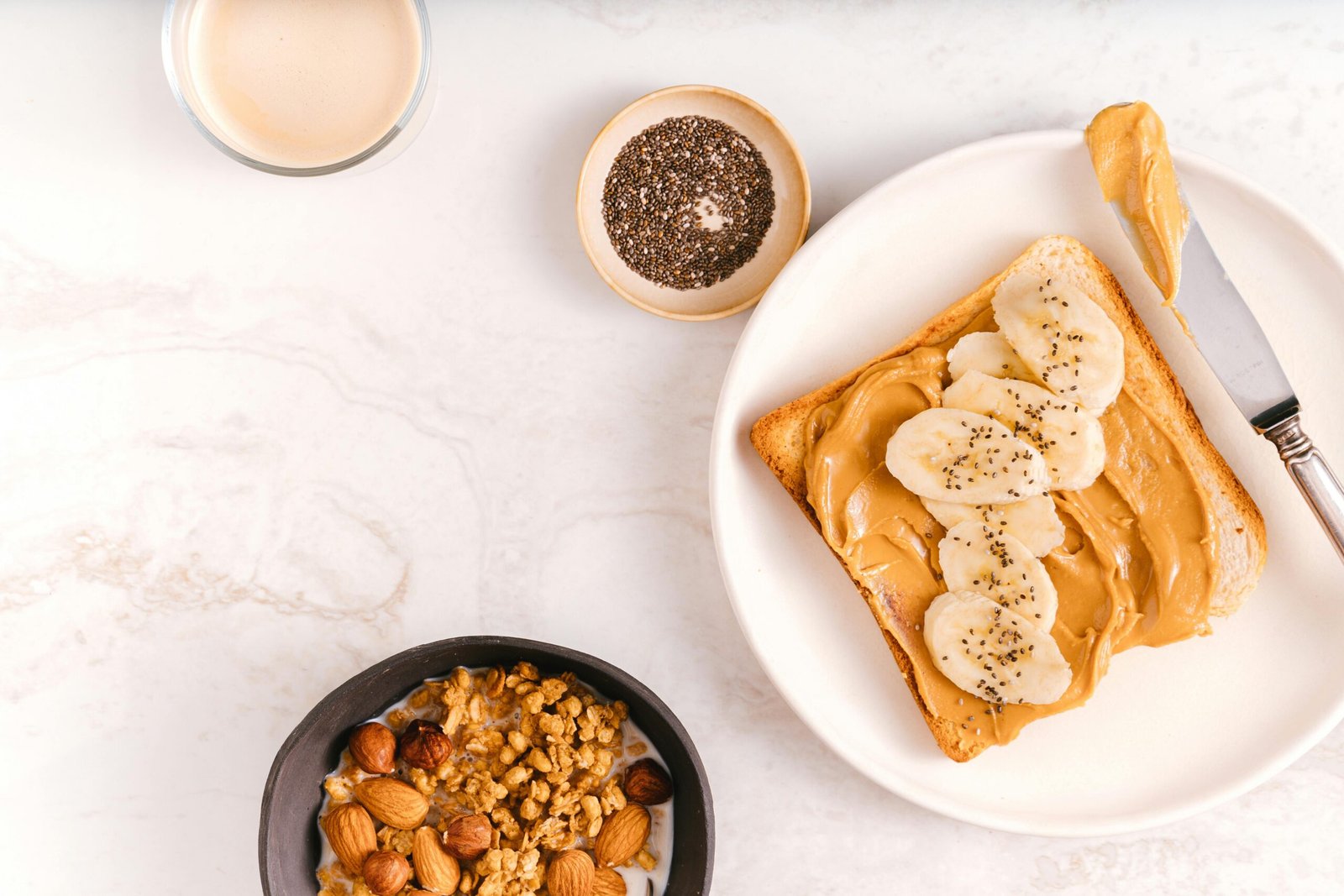
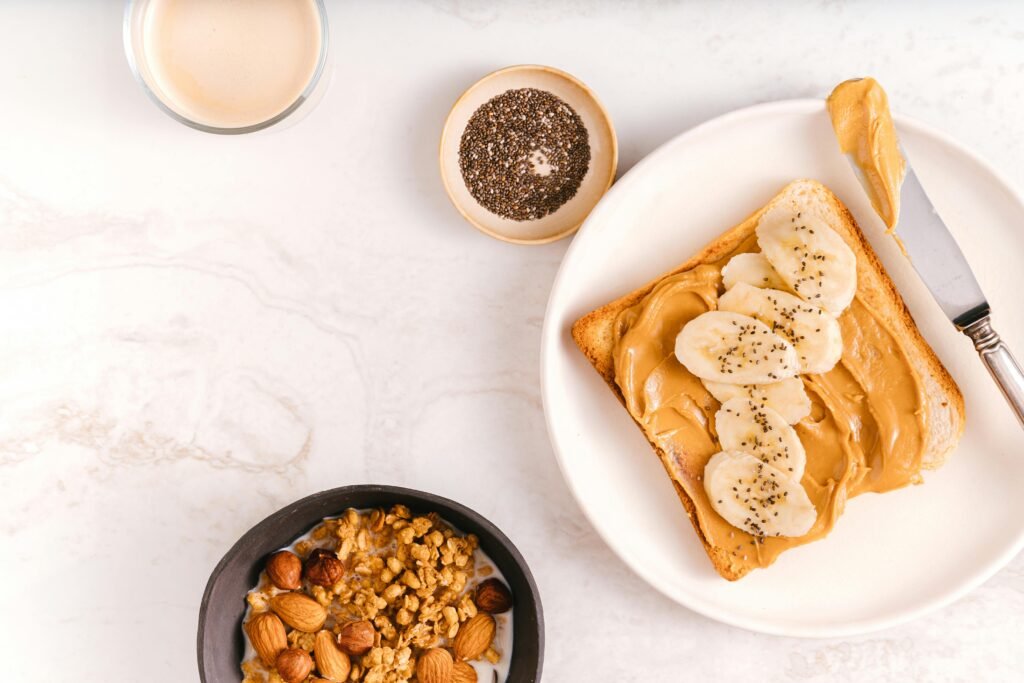
If you have a sensitive stomach, choosing gentle alternatives is just as important as avoiding trigger foods. Plain rice, bananas, oatmeal, boiled vegetables, and lean proteins are usually well tolerated and support better digestion.
Foods That Can Cause Hidden Digestive Issues
Artificial Sweeteners
Sweeteners like sorbitol and sucralose are difficult to digest and may cause gas or diarrhea.
Raw Onions and Garlic
These are high in fermentable carbohydrates and often trigger bloating in sensitive stomachs.
Highly Processed Foods
Packaged snacks and fast food often contain additives that disrupt digestion and gut balance.
What to Eat Instead If You Have a Sensitive Stomach
Avoiding trigger foods is only half the solution. If you have digestive issues, replacing problem foods with gentler alternatives can help calm symptoms and support gut health. People searching for foods to avoid if you have a sensitive stomach often ask what they should eat instead.
Well-tolerated options include plain rice, oats, bananas, cooked vegetables, lean proteins, and lactose-free dairy. These foods are easier to digest and less likely to cause bloating or acid reflux. Eating smaller portions and chewing slowly can also reduce digestive stress.
If symptoms persist, keeping a food journal can help you identify which foods to avoid if you have a sensitive stomach and which meals feel safest. Everyone’s digestion is different, so personalization is key.
Safer alternatives include:
- Oatmeal, rice porridge, or well-cooked grains
- Bananas, applesauce, and peeled cooked fruits
- Lean proteins like eggs, chicken, or fish
- Herbal teas such as chamomile, fennel, or ginger
These foods are easier to digest and less likely to trigger bloating, acid reflux, or stomach pain.
For a complete digestion-friendly food list, see our guide on gut friendly foods for better digestion.
For gentler alternatives, explore:
- 👉 Gut Friendly Foods for Better Digestion
- 👉 10 Gut Friendly Breakfast Foods That Are Easy to Digest
- 👉 Morning Drinks for Digestion & Energy
Frequently Asked Questions About Sensitive Stomachs
What foods are safest for a sensitive stomach?
Soft, cooked foods like rice, oats, bananas, eggs, and soups are usually easier to digest.
Should I avoid coffee if my stomach is sensitive?
Yes, coffee can increase stomach acid and trigger discomfort, especially on an empty stomach.
Can skipping meals help digestion?
Skipping meals may worsen symptoms. Eating small, gentle meals usually supports better digestion.
According to the Cleveland Clinic, avoiding spicy, fatty, and acidic foods can help reduce symptoms in people with sensitive stomachs.
Understanding which foods to avoid for a sensitive stomach can help reduce bloating, discomfort, and long-term digestive irritation.
Conclusion
Avoiding common trigger foods can dramatically reduce digestive discomfort. Small changes in food choices often lead to noticeable improvements in gut health and daily energy.